St. Johns County · Service Area

Plumbing, Heating & Cooling in St. Augustine, FL

Modern comfort for the nation's oldest city

St. Augustine is the oldest continuously occupied city in the United States, and its homes show it—coquina and masonry cottages, balloon-framed Victorians, and additions layered on over generations. Fitting comfortable, efficient plumbing and HVAC into that fabric is a different job than wiring up a new subdivision.

Flowstate Pros works within the constraints of historic construction and preservation rules, using ductless equipment, careful repipes, and moisture control that keep old interiors healthy without tearing them apart.
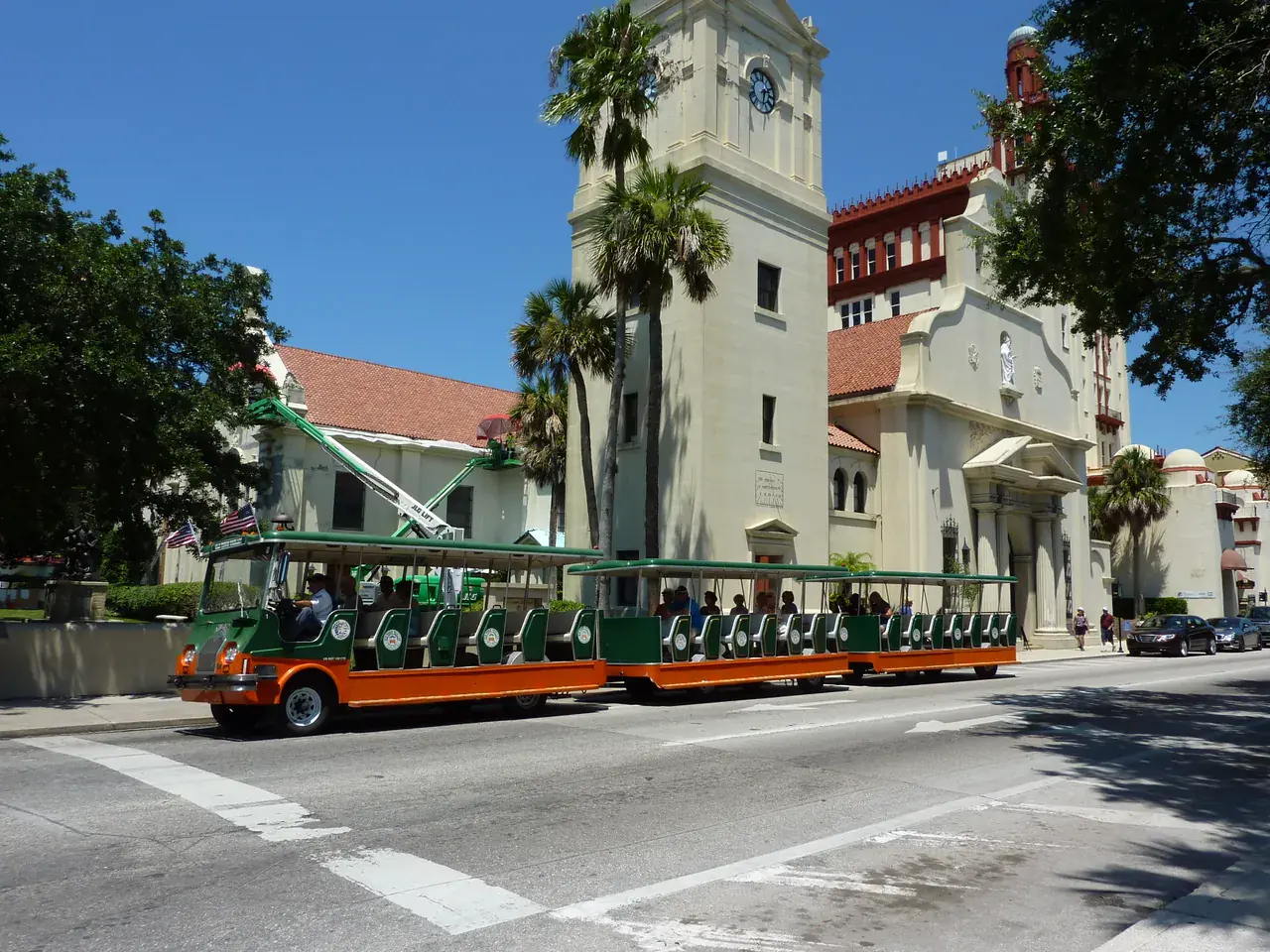
Historic district streetscape in St. Augustine, Florida
Photo: Bob from Allentown, Pennsylvania, United Staes of America / CC BY 2.0
Local Environment

Why comfort systems work differently in St. Augustine

St. Augustine sits on a low peninsula between the Matanzas River and the Intracoastal Waterway, so homes here face mild-brackish air, relentless subtropical humidity, and mineral-rich municipal water. The historic core is dense with very old coquina, wood, and masonry homes that were never built for central air or modern plumbing, and city preservation rules limit how much you can alter them—so comfort upgrades have to be surgical.

Historic, low-alteration housing stock

Coquina and masonry cottages and century-old wood homes often have thick walls, no wall cavities for ducts, and preservation limits on exterior changes, which rules out conventional forced-air retrofits.

Hard municipal water

City water is drawn from the mineral-rich Floridan aquifer and treated locally; the dissolved calcium and magnesium scale water heaters, fixtures, and valves throughout the older core.

High subtropical humidity

Persistent moisture off the rivers strains cooling capacity and threatens the plaster, wood, and finishes inside historic homes if indoor relative humidity is not controlled.

Brackish waterfront exposure

Homes near Matanzas Bay and the Intracoastal see salt-laden air that corrodes outdoor condenser and heat-pump cabinets faster than fully inland sites.

Cooling

Ductless cooling for homes that were never built for ducts

Many historic St. Augustine homes have no ductwork, or ducts crammed into an add-on that cannot serve the whole house. Tearing open coquina and plaster walls to run trunk lines is invasive and often runs afoul of preservation rules. We retrofit these homes with mini-split systems that need only a small line-set penetration, zone room by room, and preserve the original interior—delivering modern, efficient cooling without gutting the house.

Heating

Heat pumps sized and sited for the historic waterfront

Almost every St. Augustine home heats with an electric heat pump—natural gas is patchy in the old core—and near the Matanzas and the Intracoastal the outdoor unit takes a brackish, salt-laced hit. We tune heat pumps for the short, mild-but-humid winters, protect the coil and cabinet against coastal corrosion, and recommend replacements sized for the odd geometry of historic rooms rather than a generic square-footage rule.

Plumbing

Aging galvanized and cast-iron lines need real repipes

Homes in the historic district often still run on original galvanized supply lines and cast-iron drains that have corroded, scaled shut, and cracked over decades. Patching one leak just moves the failure downstream. We camera and clear failing sewers and drains, then repipe with modern materials and rebuild the fixtures they feed—replacing corroded sinks, faucets, showers, and tubs so the whole system is reliable again.

Plumbing

Hard water is tough on old-house plumbing

St. Augustine municipal water comes from the mineral-rich Floridan aquifer, so scale builds fast inside water heaters and on fixtures—and old plumbing has less margin to spare. We service and replace water heaters (checking the sacrificial anode rod that hard water eats first) and add whole-home filtration or softening where a water test warrants it, protecting both new equipment and the aging pipes behind the walls.

Air Quality

Humidity control that protects historic interiors

Subtropical humidity is hard on any home, but in a 150-year-old house it warps wood, blisters plaster, and feeds mold in finishes that are nearly impossible to replace. Cooling alone often cannot hold a safe moisture level in these leaky, high-ceilinged rooms. We add whole-home dehumidifiers and media air cleaners to keep relative humidity in the healthy 45-55% range, protecting both the people and the irreplaceable interior.

FAQs

St. Augustine Comfort & Plumbing FAQ

Can I get central air in a historic St. Augustine home without ductwork?

Usually yes, with a mini-split system. Ductless heat pumps need only a small line-set penetration, so we can zone and cool an old coquina or wood home without opening walls or violating preservation rules.

Why does my historic home have such bad water pressure and rusty water?

Original galvanized supply lines corrode and scale shut from the inside over decades. Once that starts, patching one spot rarely helps—a repipe restores flow and clean water throughout the house.

Is the water hard in St. Augustine?

Yes. City water comes from the mineral-rich Floridan aquifer, so scale on fixtures and inside water heaters is common. A quick water test tells us whether filtration or softening makes sense for your home.

Do I really need a dehumidifier if I have air conditioning?

Often, yes—especially in an old home. Cooling alone frequently cannot hold humidity in the safe 45-55% range in leaky historic rooms, and excess moisture damages wood, plaster, and finishes. A whole-home dehumidifier protects the interior.

READY WHEN YOU NEED US

AC or Plumbing Emergency?

Smart. Local. Reliable.