
Is Jacksonville's water hard?
Yes. JEA pulls the city's water from the mineral-rich Floridan aquifer, so scale on fixtures and inside water heaters is common. A quick water test tells us whether filtration or softening makes sense for your home.
Whole-home comfort for every Jacksonville block, historic to brand-new
Jacksonville is a big, varied city on the St. Johns River, where 1900s bungalows in Springfield and Riverside sit a few miles from new-build suburbs. That range means no two homes here need the exact same plumbing, heating, or cooling approach.
Flowstate Pros works the whole map—repiping historic homes, taming JEA hard water, and keeping AC and heat pumps sized for the local heat—so your comfort systems fit the house you actually own.
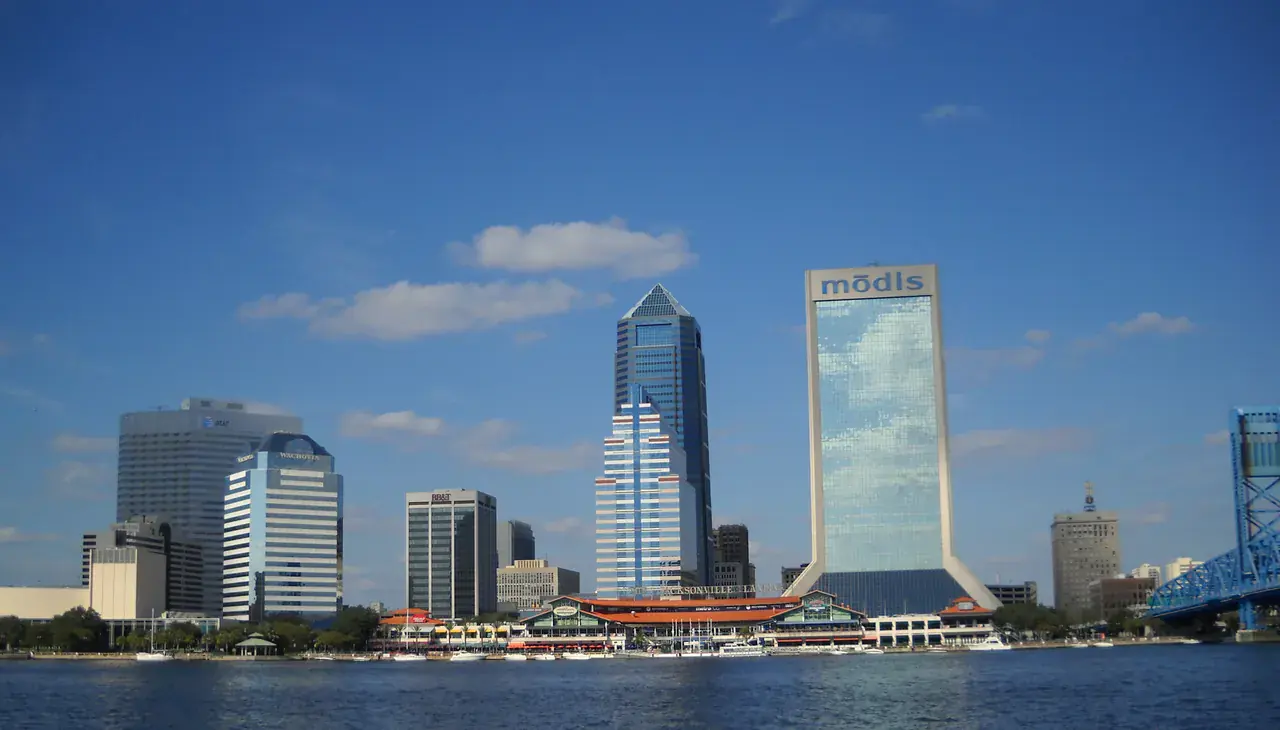
Jacksonville spans historic riverfront neighborhoods and sprawling suburbs across Duval County, all sharing hard municipal water, long humid summers, and an urban heat load. JEA supplies most homes from the mineral-rich Floridan aquifer, natural gas reaches some blocks but not others, and the housing stock ranges from century-old cottages to slab-built subdivisions—so system needs shift dramatically from one street to the next.
JEA draws Jacksonville municipal water from the deep Floridan aquifer—clean but hard, so calcium and magnesium scale up water heaters, fixtures, and valves.
Pre-1930 homes in Springfield and Riverside still carry cast-iron and galvanized pipe and aging ductwork, while suburban builds are modern—retrofit and repair needs vary block to block.
TECO Peoples Gas serves some established neighborhoods and select new developments while neighboring homes stay all-electric, so gas-line work depends entirely on the address.
The heat-island effect and near-constant St. Johns River humidity push cooling capacity and feed indoor mold and musty odors through long summers.
The city runs from 1900s bungalows to slab-built suburbs, so cooling loads, duct layouts, and equipment sizing vary widely street to street. Add the urban heat-island effect and long, humid summers, and a system that is even a size off runs hot and short-cycles. We size to the actual home, repair across every major brand, and replace with right-sized systems built for the local heat.
Most Jacksonville homes heat with electric heat pumps that share their outdoor unit with the AC and run only a handful of cold snaps a year. We tune them for the region's short, damp winters, keep the reversing valve and defrost cycle honest, and recommend right-sized heat-pump replacements when an older unit stops earning its keep.
Homes across Springfield, Riverside, and the other pre-1930 districts still run cast-iron drain lines and galvanized-steel supply that have long passed their 40-to-50-year life. Cast iron corrodes from the inside out in Florida's damp soil, and galvanized rusts closed until pressure drops and water runs discolored. We camera-inspect the sewer line, clear and repair drains, and repipe supply runs to modern materials fixture by fixture.
JEA draws Jacksonville municipal water from the deep Floridan aquifer, which makes it clean but hard—calcium and magnesium that plate out as scale inside water heaters, fixtures, and valves and cut their service life short. We flush and service water heaters (the sacrificial anode rod goes first in hard water) and install whole-home filtration or softening where a quick test warrants it.
Gas service in Jacksonville comes from TECO Peoples Gas, and it is common in older established neighborhoods and select newer developments while the house next door runs all-electric. Where a home is on natural gas, we install, repair, and leak-test gas lines safely; where it is not, propane and electric setups get the same care.
Decades-old ductwork in the historic districts leaks and holds dust, and near-constant St. Johns River humidity feeds mold and musty odors that cooling alone cannot clear. We service and seal air handlers, add whole-home dehumidification, and fit media air cleaners so indoor air stays dry, filtered, and healthy year-round.
Yes. JEA pulls the city's water from the mineral-rich Floridan aquifer, so scale on fixtures and inside water heaters is common. A quick water test tells us whether filtration or softening makes sense for your home.
It is usually worth planning for. Cast-iron drains and galvanized supply from before 1970 are past their service life and corrode from the inside; a camera inspection shows what needs repair now versus a full repipe.
Some do. TECO Peoples Gas serves parts of the city—often older neighborhoods and certain new builds—while others are all-electric or propane. We work on gas lines wherever gas is present.
At least once a year, ideally in spring. Long humid summers and urban heat push systems hard, so an annual tune-up keeps capacity up and catches small faults before peak season.
Rarely. Winters are short and mild, so nearly every home relies on an electric heat pump for both heating and cooling—we tune and replace heat pumps rather than install furnaces in most cases.